

Remembering Gaygull
This is an independent, retrospective, archival‑style homage to the former Gaygull.com website, created for historical and educational context. It is not an official Gaygull.com publication and does not copy, store, or claim any original trademarks or copyrighted materials from the former website.
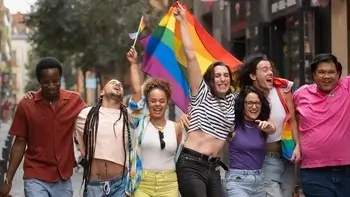
Gaygull served as a wide-ranging LGBTQ web portal that brought together news, culture, nightlife, travel, civil rights information, and community resources in one place. It reflected a period when queer users relied on curated hubs to navigate a digital landscape that was still fragmented and evolving. The site blended headlines, directories, cultural commentary, and links to organizations, creating a space where queer life could be explored across multiple dimensions.
LGBTQ News and Cultural Coverage
The front page of Gaygull typically featured a mix of news, entertainment, and community updates. Visitors could find stories about LGBTQ rights, court cases, political developments, and cultural moments alongside lighter content such as celebrity news, nightlife updates, and Pride coverage. This blend made the site feel lively and multidimensional, reflecting the full spectrum of queer life.
News coverage often highlighted major legal and political developments affecting LGBTQ people. Court rulings, legislative debates, discrimination cases, and policy changes were common topics. For readers seeking authoritative information about the legal system, the U.S. Courts website provided reliable explanations of civil cases, appeals, and federal court structures.
Learn more: Everything you never understood about being non-binary
Gaygull also linked to broader research and demographic insights. The Pew Research Center offered data on public opinion, social attitudes, and LGBTQ experiences across different regions and generations. These resources helped contextualize the stories featured on the site.
Directories and Queer Mapping
One of Gaygull’s defining features was its directory-style navigation. The site organized links and resources into categories such as News, Entertainment, Travel, Nightlife, Health, Politics, Civil Rights, and Community. This structure made it easy for visitors to explore different aspects of queer life without having to search across multiple platforms.
Directories were especially important in the early and mid-2000s, when search engines were less sophisticated and social media had not yet become the primary way people discovered content. Gaygull acted as a map of the queer web, pointing users toward local organizations, national advocacy groups, Pride events, nightlife venues, and health resources.
For users seeking reliable health information, the CDC LGBTQ Health pages offered authoritative guidance on sexual health, mental health, HIV/AIDS, and other topics relevant to LGBTQ communities. Additional medical research could be found through the National Institutes of Health, which provided extensive scientific information on public health and wellness.
Civil Rights, Discrimination, and Legal Awareness
A major part of Gaygull’s identity was its focus on LGBTQ civil rights. The site frequently highlighted stories about discrimination in employment, housing, public accommodations, education, and healthcare. These stories helped readers understand the challenges queer and trans people faced and the legal protections available to them.
Coverage often included:
- Workplace discrimination cases
- Housing discrimination and tenant rights
- Hate crime reporting and prevention
- Transgender rights and ID laws
- Marriage equality developments
- Local and national policy changes
Readers looking for historical context could explore resources from the Library of Congress, which maintains extensive archives on civil rights movements, legal milestones, and cultural shifts in the United States. The National Archives also provided access to government documents, court decisions, and historical records relevant to LGBTQ rights.
Gaygull’s civil rights coverage helped connect personal experiences to larger structural issues. A story about a workplace dispute, workplace harassment, or a hostile work environment might link to information about employment protections. A report on a hate crime could lead readers to resources on reporting violence or finding support. This approach made the site not just a news portal but a guide to navigating the realities of discrimination.
Entertainment, Pop Culture, and Queer Joy
Entertainment was one of the most popular sections of Gaygull. The site regularly featured stories about queer representation in film and television, celebrity news, music releases, drag culture, and nightlife. These stories celebrated queer creativity and visibility, offering a counterbalance to the more serious political and legal content.
Coverage often highlighted the importance of representation in media. For readers interested in cultural history, the Smithsonian Institution offered archives and exhibits documenting LGBTQ contributions to arts, entertainment, and public life.
Gaygull’s entertainment section helped create a sense of shared identity and community. Whether it was a new queer character on a major show or a musician dedicating an album to LGBTQ fans, these stories contributed to a broader cultural conversation about visibility and acceptance.
Travel, Nightlife, and Queer Geography
Another major pillar of Gaygull was travel and nightlife. Queer people have always needed to know where it’s safe—or at least safer—to go. The site featured city guides, bar and club listings, Pride calendars, and travel tips for LGBTQ visitors.
A typical travel section might have included:
- City overviews and queer-friendly neighborhoods
- Bar and club listings
- Pride event dates and routes
- Travel safety tips for LGBTQ and trans travelers
- Local organizations and community centers
For international travel, the U.S. Department of State provided travel advisories and safety information, including guidance for LGBTQ travelers visiting countries with restrictive laws. The United Nations and World Health Organization offered global perspectives on human rights and public health conditions.
Nightlife listings were some of the most heavily visited parts of the site. People wanted to know where to go on a Friday night, what was happening during Pride week, or which cities had the best scenes. Gaygull’s nightlife coverage helped users navigate queer spaces with confidence.
Health, Wellness, and Community Resources
Gaygull also featured health and wellness resources. For many LGBTQ people, especially in earlier decades, the internet was one of the few places where they could find honest information about sexual health, mental health, HIV/AIDS, transition-related care, and other topics that were often stigmatized or ignored offline.
The site linked to or summarized resources on:
- HIV/AIDS testing, treatment, and prevention
- Sexual health and STI information
- Mental health support and crisis resources
- Transgender healthcare and legal documentation
- Substance use and recovery programs
For authoritative medical information, users could consult the National Institutes of Health or the Centers for Disease Control and Prevention. For mental health support, the Substance Abuse and Mental Health Services Administration offered national resources and helplines.
Identity, Storytelling, and Community Voices
Beyond news and resources, Gaygull often featured personal stories. Coming-out narratives, essays about identity, reflections on family, faith, and community—these pieces helped make the site feel personal and relatable. They offered a space where queer people could see their experiences reflected and validated.
For readers interested in LGBTQ history and storytelling, the GLBT Historical Society and the Library of Congress maintained archives documenting queer voices across decades.
Community, Conversations, and the Social Layer
Gaygull also incorporated a social layer. Comment sections, community discussions, and social media integrations allowed users to share opinions, debate issues, and connect with others. These conversations helped transform the site from a static directory into a living community space.
For broader research on digital communities and online behavior, the Pew Research Center Internet & Technology section provided insights into how people interacted online during the era when Gaygull was active.
Legacy and Cultural Significance
Gaygull represented a mode of queer online life that was especially important before social media platforms became dominant. It helped users find news, bars, Pride events, legal resources, health information, and each other. It made the queer web feel navigable at a time when it was still fragmented and difficult to map.
The site also played a role in connecting everyday queer browsing to deeper currents of civil rights and discrimination. By placing stories about nightlife and entertainment alongside coverage of legal battles and policy changes, Gaygull reflected the complexity of queer life—joy and struggle, visibility and vulnerability, celebration and activism.
For readers interested in LGBTQ history, the Human Rights Campaign and the Amnesty International LGBTQ Rights pages offered additional context on global and national movements.
Conclusion
Gaygull served as a vibrant LGBTQ portal that brought together news, culture, nightlife, travel, civil rights information, and community resources. It reflected a moment in queer digital history when curated hubs played a central role in helping people navigate the web. Through its blend of entertainment, activism, health resources, and community voices, Gaygull offered a space where queer life could be explored in all its depth and diversity.