

Truck Accident Loans
Truck Accident Lawsuit Loans For Injured Plaintiffs
Non-recourse truck accident loans can help you stay on top of your finances while your injury claim is pending—with no credit checks, no monthly payments, and repayment only if your case is successful.
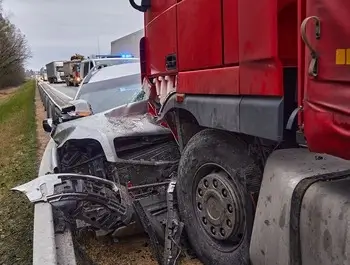
Truck accident lawsuit funding gives qualifying injured plaintiffs a cash advance against an anticipated recovery to help cover expenses while their claims are pending. Approval and funding amounts depend on the case evidence, injuries, available coverage, and expected net proceeds. No credit check or monthly payments are required, and you only repay truck accident loans from a successful recovery. If your claim ends without a recovery, you owe nothing.

Truck Accident Lawsuit Loans—When Bills Just Can’t Wait
Truck accident legal funding—often called truck accident loans*—provides cash before an injury claim is resolved. We advance money against a portion of your anticipated recovery so you can cover expenses while your attorney pursues compensation from the trucking company’s insurer and other liable parties.
How Truck Accident Loans Help Injured Plaintiffs
Large truck accidents—specifically those involving big rigs like 18-wheelers, semi-trucks, and tractor-trailers—can be among the most destructive collisions on the road.
A commercial truck crash can cause devastating injuries, fatalities, and massive property damage.
It can also disrupt lives, income, and employment and leave accident victims struggling as they face an uncertain financial future.
The longer a claim remains unresolved, the harder it can become to keep up with everyday expenses.
When insurers use delay tactics, engage in unfair claims practices, or make lowball settlement offers, your lawyer might need to gather more evidence, negotiate more aggressively, or initiate litigation to compel the insurer to resolve the claim.
Gathering evidence, negotiating disputed claims, and preparing for litigation can all extend the time it takes to resolve your truck accident claim.
That’s when pre-settlement truck accident loans can be a real lifesaver. They can provide the money you need to cover living expenses and pay your bills on time until your case is resolved.
The Human Cost of Truck Wrecks
In 2024, an average of about 440 people were injured, and 15 were killed in truck crashes each day.
In total, the National Safety Council reported 161,201 injuries and 5,340 deaths in large truck crashes in 2024.
Large truck crash victims (2024)
| Road-user group | Injured | Killed |
|---|---|---|
| Truck occupant: | 41,454 | 920 |
| Nonoccupant: | 3,273 | 667 |
| Other vehicle occupant: | 116,474 | 3,753 |
| Total injuries: | 161,201 | 5,340 |

These NSC figures cover medium and heavy trucks with a gross vehicle weight rating above 10,000 pounds, not just 18-wheelers.
Apply For Truck Accident Lawsuit Funding
🔒 Secure · Free to Apply
A serious truck accident can leave you facing household bills and lost income long before you receive compensation. TriMark provides truck accident lawsuit funding to help qualifying plaintiffs cover essential expenses while their attorneys pursue a recovery.
There are no monthly payments to integrate into an already strained budget, and the advance is repaid from the proceeds if your claim results in a successful recovery.
Since 2003, we have built a reputation for excellence by providing innovative, client-focused non-recourse legal funding to qualifying plaintiffs injured in truck accidents and other personal injury claims.
You can read reviews of TriMark Legal Funding on Trustpilot and view our A+ rating with the Better Business Bureau.

Why Is My Truck Accident Settlement Taking So Long?
Pre-settlement funding can help injured truck accident plaintiffs manage financial pressure while their cases remain unresolved.
Straightforward truck accident claims with only minor injuries and minimal property damage may settle within a few months, while complex cases often remain unresolved for several years.
Beyond disputes over fault or insurance coverage and the “Delay, Deny, Defend” tactics used by some insurers, two major factors can affect your settlement timeline: the work required to establish who is legally responsible and the time needed to understand the full extent of your injuries.
Multiple Defendants and Claims
A commercial truck accident lawsuit can—and often does—involve multiple negligent acts, multiple defendants, and several legal claims within a single complaint.
Your attorney may need to examine the driver’s conduct, the trucking company’s hiring and supervision practices, vehicle loading, service & maintenance records, compliance with FMCSA regulations, and other potential sources of liability.
Establishing how those issues contributed to the crash can broaden the investigation and complicate settlement negotiations.
Truck accident litigation may involve the following claims and liability theories:
- Negligence
Careless driving, speeding, distracted driving, improper turning or lane changes, or failure to maintain a proper lookout. - Negligent Hiring, Training, or Supervision
Claims that the trucking company put an unsafe, unqualified, inexperienced, unlicensed, or otherwise disqualified driver on the road. - Vicarious Liability (Respondeat Superior)
A claim that the trucking company is financially responsible for its driver’s negligence while performing job-related duties. - Negligent Maintenance or Failure to Inspect
Claims involving defective brakes, worn tires, skipped inspections, skipped or falsified maintenance, or other unsafe vehicle conditions. - Product Liability
Claims against a manufacturer or seller when a defective component, such as a steering part or tire, caused or contributed to the crash. - Wrongful Death or Survival Actions
Statutory claims brought by surviving family members or the deceased person’s estate after a fatal truck accident. - Negligence Involving Safety-Regulation Violations
Claims involving violations of applicable Federal Motor Carrier Safety Administration safety regulations, which may support a finding of negligence under state law.
Medical Treatment, Recovery, and Reaching MMI
In nearly all personal injury claims, injuries, medical treatment, and recovery time can directly affect the settlement timeline.
Your attorney may recommend waiting until you reach Maximum Medical Improvement (MMI) before finalizing a settlement so they can more accurately assess the long-term effects of your injuries.
MMI is the point when a treating physician decides that an injured patient’s condition has stabilized and will not improve significantly with further medical treatment.
Reaching MMI doesn’t mean you’ve made a full recovery; it simply means your medical recovery has plateaued and any remaining symptoms, pain, or disability may be permanent.
Reaching MMI helps your attorney assess the full scope of your damages, including past and future medical expenses, lost earnings, pain and suffering, and the financial impact of permanent limitations.
Settling too early can be risky when future medical costs or the extent of permanent impairment remain uncertain.
If treatment is ongoing, your attorney may need a clearer understanding of future surgeries, rehabilitation, lost earnings, and long-term care before assessing whether an offer adequately covers your losses.
Are Truck Accident Cash Advances Available In Every State?
We provide truck accident lawsuit funding in eligible states, but not all states. Eligibility and available terms vary by jurisdiction.
You can check availability in your state below, or contact us at (877) 932-2628 before you apply for funding if you have questions about truck accident loans in your state.
Truck Accident Loan Availability By State
- Alabama
- Alaska
- Arizona
- Arkansas 1
- California
- Colorado 2
- Connecticut
- DC 1
- Delaware
- Florida
- Georgia
- Hawaii
- Idaho
- Illinois
- Indiana
- Iowa
- Kansas
1 Truck accident loans are not available in this state
2 Minimum funding requirement in this state
How Do Truck Accident Loans Affect My Net Settlement?
Your gross truck accident settlement is not the amount you will ultimately receive. Attorney fees, case expenses, applicable liens, and other obligations can reduce your final distribution. If you receive truck accident lawsuit funding, the agreed funding payoff is also deducted from the recovery.
Before accepting an advance, review the potential deductions with your attorney so you understand how the funding could affect your remaining proceeds.
| Item | Amount |
|---|---|
| Gross recovery | $600,000 |
| Attorney fees, case costs & liens | $240,000 |
| Legal funding payoff | $29,500 |
| Remaining net proceeds due to the plaintiff | $330,500 |
Illustrative example only—not a quote or prediction. The $29,500 funding payoff includes the original advance and applicable charges under a hypothetical agreement. Actual deductions and net proceeds vary by case.
How Much Does a Truck Accident Lawsuit Loan Cost?
The cost of truck accident funding depends on the amount advanced, the charges specified in your agreement, and how long the advance remains outstanding. The amount you receive is not the same as the payoff deducted from a successful recovery.
Because a truck accident claim may take longer to resolve than expected, review how the proposed payoff changes over time—not just what you would owe if the case settles quickly.
Before signing, ask:
- What would the total payoff be after six, twelve, or twenty-four months?
- How frequently do charges accrue?
- Are charges based only on the original advance, or do they compound?
- Does the agreement limit how much the total payoff can grow?
The funding agreement will show payoff amounts at several possible settlement dates so you and your attorney can assess the cost if your truck accident claim takes longer or shorter than expected to resolve.
Types of Truck Accident Claims That May Be Eligible For Pre-Settlement Funding
- 18 Wheeler Accident
- Amazon Truck Accident
- Backing Over Accident
- Backing Up Accident
- Beer Truck Accident
- Big Rig Accident
- Blind Spot Accident
- Boom Truck Accident
- Box Truck Accident
- Bridge Strike Accident
- Broadside Collision Accident
- Bucket Truck Accident
- Cattle Truck Accident
- Commercial Truck Accident
- Commercial Vehicle Accident
- Company Vehicle Accident
- Concrete Truck Accident
- Construction Zone Accident
- Delivery Truck Accident
- Dump Truck Accident
- Falling Debris Accident
- Fatal Truck Accident
- FedEx Truck Accident
- Fire Truck Accident
- Fuel Tanker Accident
- Garbage Truck Accident
- Gravel Truck Accident
- Hazardous Cargo Spill Accident
- Hazmat Truck Accident
- Head On Collision Accident
- Highway Accident
- Impaired Driving Accident
- Improperly Loaded Truck Accident
- Intersection Accident
- Jackknife Truck Accident
- Lane Change Accident
- Left Turn Accident
- Log Truck Accident
- Lost Load Accident
- Lumber Truck Accident
- Mechanical Failure Accident
- Merging Accident
- Milk Truck Accident
- Override Crash Accident
- Oversized Load Truck Accident
- Penske Truck Accident
- Pepsi Truck Accident
- Railroad Crossing Accident
- Rear End Collision Accident
- Red Light Accident
- Right Turn Accident
- Road Rage Accident
- Rollover Accident
- Rubbernecking Accident
- Runaway Trailer Accident
- Runaway Truck Accident
- Semi Truck Accident
- Sideswipe Collision Accident
- Swift Truck Accident
- Sysco Truck Accident
- T Bone Accident
- Tailgating Accident
- Tanker Truck Accident
- Texting While Driving Accident
- Tractor Trailer Accident
- Trailer Detachment Accident
- Truck Tire Blowout Accident
- Truck vs Bus Accident
- Truck vs Car Accident
- Truck vs Motorcycle Accident
- Truck vs Pedestrian Accident
- Truck vs SUV Accident
- Truck vs Train Accident
- Tunnel Strike Truck Accident
- Turnpike Accident
- U-Haul Truck Accident
- Underride Crash Accident
- UPS Truck Accident
- USPS Truck Accident
- Walmart Truck Accident
- Wide Turn Accident
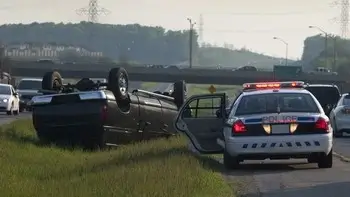
We consider qualifying injury claims arising from the collision types listed above. A listed accident type does not guarantee approval; eligibility depends on location, liability, injuries, coverage, and anticipated proceeds.

Who Qualifies for a Truck Accident Lawsuit Loan?
We consider funding for applicants who are at least 18, have an attorney handling their truck accident injury claim on a contingency-fee basis, and live in a state where we offer funding.
The claim must involve significant injuries attributed to another person’s or company’s negligence, with evidence supporting liability and sufficient insurance coverage.
After you apply, we work with your attorney to review information such as:
- Medical records documenting your injuries, treatment, and prognosis.
- Crash reports and other evidence supporting responsibility for the collision.
- Insurance coverage available for the claim and applicable policy limits.
- Estimated attorney fees, case expenses, medical liens, and existing funding obligations.
- The claim’s current status and anticipated proceeds.
A collision involving a commercial truck does not automatically qualify for a truck accident lawsuit loan. Our review considers whether the supported claim value and expected remaining proceeds can accommodate the requested advance.
What Determines My Truck Accident Loan Amount?
The amount of truck accident funding you may qualify for depends on your claim’s strength and the proceeds expected to remain after fees, liens, and other obligations. A substantial settlement demand alone doesn’t determine how much we can advance.
Injuries, Treatment, and Financial Losses
We review the available documentation of your injuries, medical care, prognosis, and lost earnings. If treatment is ongoing, information about anticipated surgeries, rehabilitation, or permanent limitations can help us assess losses that are not yet fully reflected in your medical bills.
Case Progress and Your Attorney’s Input
The information available during an initial investigation may differ from what becomes available after medical treatment, discovery, or settlement negotiations. Your attorney’s assessment helps us understand the claim’s current position, outstanding disputes, and potential recovery.
Deductions From Your Recovery
Attorney fees, litigation expenses, medical liens, and previous legal funding can reduce the proceeds available to you. We account for these obligations when assessing whether your truck accident claim can support the requested advance.
Evidence of Responsibility
We consider the evidence supporting your claim against the truck driver, trucking company, or other potentially responsible parties.
Depending on the case, your attorney may provide crash reports, witness statements, photographs, video, driver records, or vehicle inspection and maintenance records. Disputed responsibility or allegations that you contributed to the collision can affect our evaluation.
Insurance Coverage and Other Recovery Sources
Serious injuries do not automatically mean substantial funds will be available. We examine the insurance coverage and other identifiable recovery sources associated with your claim.
When several defendants or insurers are involved, we also consider unresolved questions about which parties may be responsible for payment.
Choose a funding amount around a specific need, such as covering rent and essential household bills during a period without income. Accepting a larger advance than necessary can leave you with a larger payoff to deduct when your case concludes.
How Are Truck Accident Lawsuit Loans Repaid?
Truck accident legal funding is non-recourse, and it is repaid from the proceeds of a successful recovery.
If your claim produces a settlement or court-awarded recovery, your attorney coordinates payment of the amount owed under your funding agreement from those proceeds before distributing the remaining funds to you.
The payoff includes the original advance and the applicable charges. If your claim ends without a recovery, repayment is generally not required under the agreement’s non-recourse provisions. Review those provisions with your attorney so you understand the conditions and any exceptions before accepting funding.
How To Apply For Truck Accident Funding

To request a truck accident loan, start by completing a free application.
We then work with your attorney to evaluate the claim and determine whether we can offer an advance. Applying does not commit you to accepting funding.
We typically wire funds directly to your bank account so they’re available for immediate use.

1. Request Funding

2. Case Evaluation

3. Receive Funds
Frequently Asked Questions
FAQ: Truck Accident Lawsuit Loans
📄 How do truck accident lawsuit loans work, and when can injured victims actually get funded?
Truck accident lawsuit loans—also called pre-settlement funding or lawsuit cash advances—provide money to injured plaintiffs while their attorney pursues a settlement or verdict.
Truck accident legal funding is non-recourse: you repay only if your case settles or wins. If you lose, you owe nothing.
Funding companies review your attorney’s liability theory, police report, medical records, insurance coverage, and other case evidence to estimate the likely recovery.
If approved, funds can often be wired within 1–24 hours after we receive an executed funding agreement back from the plaintiff and attorney.
Truck cases often take longer than ordinary car accident claims because they may involve commercial carriers, multiple defendants, federal safety regulations, black-box data, and layered insurance coverage.
The FMCSA requires commercial carriers to maintain records such as driver logs, drug and alcohol testing records, and insurance documentation.
Plaintiffs commonly use the money for rent, medical bills, vehicle costs, childcare, groceries, and other living expenses while unable to work.
Because truck accident settlements can involve serious or catastrophic injuries, long treatment periods, and substantial policy limits, pre-settlement funding can help reduce financial pressure while your attorney negotiates.
📄 How much money can I get from a truck accident loan?
Lawsuit loan funding amounts commonly range from $1,000 to $500,000 or more, depending on the anticipated net value of your case.
The exact amount depends on your request, injury severity, time away from work, future treatment needs, liability, available insurance coverage, and any prior funding payoff.
Factors our underwriters consider include:
🔸 Medical treatment, surgeries, and long-term care needs
🔸 Lost wages and reduced future earning capacity
🔸 Liability evidence, including police reports, witness statements, dashcam footage, and black-box data
🔸 FMCSA violations, negligent hiring or retention, and maintenance failures
🔸 The number of injured claimants and defendants
🔸 The total available insurance coverage
🔸 Any prior legal funding payoff
Because commercial truck cases often involve higher policy limits—and sometimes excess or umbrella coverage—plaintiffs involved in big rig and 18-wheeler accidents may qualify for significantly larger settlement advances than they might in a typical car accident loan.
The IIHS notes that large trucks can cause especially severe injuries to passenger-vehicle occupants because of differences in size, weight, height, and braking capacity. Plaintiffs with severe injuries—such as crush injuries, burn injuries, spinal cord injuries, traumatic brain injuries, amputations, paralysis, or wrongful death claims—may qualify for more.
No funder advances the full expected settlement. TriMark can typically offer up to about 20% of the anticipated net settlement value, helping ensure that most of the final recovery remains with you.
📄 What documents does my attorney need before I can be approved for a truck accident lawsuit loan?
Truck accident cases are often evidence-heavy, so a legal funding company needs enough documentation to evaluate liability, injuries, and available insurance before approving a lawsuit advance.
Your attorney will usually be asked to provide:
🔸 Police crash report
🔸 Medical records, imaging, surgical reports, specialist notes, and prognosis
🔸 Attorney intake notes and a liability summary
🔸 Insurance information and policy limits for all defendants
🔸 Photos, video, dashcam footage, or black-box data, if available
🔸 Evidence of FMCSA violations, such as Hours-of-Service or maintenance issues
The FMCSA’s Compliance, Safety, Accountability program addresses safety categories that often become important in truck litigation, including unsafe driving, fatigue, vehicle maintenance, and controlled substances. Its CSA factsheet provides a useful overview.
A funder does not need every document your attorney will eventually collect. It needs enough to assess the strength of the liability claim and estimate a realistic settlement range.
If your attorney responds quickly, approval can occur the same day you apply for funding. Larger firms or early-stage cases may take longer simply because the necessary records are still being gathered. More complete documentation can support both a faster decision and a higher potential advance.
📄 What can I use a truck accident pre-settlement loan for, and are there any restrictions on how I can use the money?
Truck accident loans are intended to help injured plaintiffs manage living expenses while their case is pending. TriMark does not restrict how you use an approved advance.
Common uses include:
🔸 Rent or mortgage payments
🔸 Groceries, utilities, and other monthly bills
🔸 Medical bills, copays, and prescriptions
🔸 Car payments, insurance premiums, repairs, or replacement transportation
🔸 Childcare and family support
🔸 Emergency travel, relocation, or temporary housing
🔸 Other necessary personal or household expenses
Severe truck crash injuries can lead to extended time away from work, long-term treatment, chronic pain, or disability. Legal funding is designed to ease that financial pressure.
The practical guideline is strategic rather than contractual: borrow only what you need.
Because repayment comes from your settlement, keeping the advance reasonable can help preserve more of your final net recovery.
📄 Are truck accident settlements usually higher than car accident settlements, and does that affect funding eligibility?
In commercial truck collisions, minor accidents and non-injury “fender benders” are fairly uncommon. Compared with an average car accident settlement, a truck accident settlement is often larger because they tend to involve more serious injuries, greater property damage, and corporate defendants with significantly higher mandatory commercial liability coverage.
Consider this: A fully loaded 18-wheeler can weigh up to 80,000 pounds. In an average tractor-trailer accident, especially at highway speeds, when that much mass hits something, it can generate an impact force of between 4 and 15 million pounds, and utterly destroy whatever it hits—causing massive property damage and severe injuries.
Truck accidents also require investigation of federal compliance issues, including Hours-of-Service records, service and maintenance logs, drug and alcohol testing, and black-box data. Evidence of violations, especially multiple violations, can strengthen liability and increase a claim’s potential value. These factors can also improve funding eligibility.
Because truck accident cash advances are non-recourse, funders advance money only when the case appears likely to produce a recovery, and strong liability against a sufficiently insured commercial defendant does precisely that.
Truck accident cases that support funding often include:
🔸 Catastrophic injuries, including traumatic brain injury, spinal cord damage, crush and burn injuries, traumatic amputations, or paralysis
🔸 Permanent disability or extensive future care
🔸 Wrongful death claims
🔸 Multiple defendants and layered insurance coverage
🔸 Clear evidence of negligence, such as fatigue, speeding, improper loading, or mechanical failure
🔸 Clear evidence of non-compliance with federal regulations
Bottom line: Because the projected case values are often higher, truck accident plaintiffs tend to qualify for larger advances than similarly situated plaintiffs in standard car accident litigation funding cases.
📄 Can I Get a Truck Accident Lawsuit Loan With Bad Credit?
Yes. Bad credit does not automatically prevent you from qualifying for truck accident lawsuit funding. We do not require a credit check, employment verification, or proof of income to review your application.
Instead, we evaluate the injury claim with your attorney. That review considers the evidence supporting liability, the nature and extent of your injuries, available insurance coverage, and the proceeds reasonably expected to remain after existing obligations. A strong credit score cannot substitute for a qualifying claim, and a low score does not determine whether the claim can support an advance.
This distinction matters when a serious truck crash has interrupted your employment or left you unable to keep up with bills. Our evaluation does not depend on whether you currently earn enough to make monthly loan payments. There are no monthly installments; repayment comes from a successful recovery under the funding agreement.
Approval is still subject to case review and state availability. Having an attorney and a pending truck accident claim allows us to begin evaluating your request, but neither guarantees an offer.
📄Can I get additional funding later if my injuries worsen or my truck accident case increases in value?
Often, yes, but it’s not guaranteed.
Additional advances are common in truck accident lawsuit funding, particularly when new medical evidence shows that injuries are more serious than first believed.
For example, a plaintiff may initially receive conservative treatment but later need surgery, injections, specialist care, or long-term rehabilitation. New records, imaging, or surgical reports can increase the projected damages.
Additional funding may also become possible if your attorney develops stronger liability evidence, such as black-box data, surveillance footage, or evidence of drug or alcohol use while driving.
To request more funding, your attorney may need to provide:
🔸 Updated medical records
🔸 New imaging, such as MRI, CT, or X-ray results
🔸 Reports for newly completed surgeries
🔸 A revised liability analysis
🔸 Updated insurance information
🔸 A new, significantly higher written settlement offer
🔸 Any new evidence that strengthens the case
As long as the total advance remains within a prudent percentage of the projected net settlement—often 10–20%—an additional advance may be available.
The goal is to provide financial stability without leaving too little of the eventual settlement for you after the case is finally resolved.
📄 How do medical treatment, surgeries, or long-term injuries impact my eligibility for a truck accident cash advance?
Medical treatment is one of the most important factors in both case value and funding eligibility.
In commercial vehicle cases, underwriters closely review medical records, imaging, treatment consistency, and prognosis.
Injuries that often increase case value include:
🔸 Traumatic brain injuries
🔸 Hypoxic, anoxic, or shearing brain injuries
🔸 Herniated discs
🔸 Traumatic amputations
🔸 Degloving injuries
🔸 Spinal and spinal cord injuries
🔸 Large-area crush injuries
🔸 Fractures requiring surgery
🔸 Large-area thermal or chemical burns
🔸 Serious shoulder, knee, or hip injuries
🔸 Internal organ damage
🔸 Paralysis or permanent disability
🔸 Chronic pain or long-term impairment
Funders generally look for consistent treatment, a clear connection between the injuries and the crash, diagnostic imaging, surgical recommendations or completed procedures, and evaluations from relevant specialists.
If your condition worsens—for example, if conservative treatment fails and surgery becomes necessary—your case value may increase. That can make you eligible for additional funding later.
Complete, consistent medical documentation supports both settlement negotiations and funding underwriting. It helps demonstrate the extent of your injuries, the need for future care, and the financial impact of the crash.
📄 What types of truck accident cases qualify for pre-settlement funding?
Most attorney-represented commercial vehicle injury claims that occur in eligible states may qualify for truck accident litigation funding.
Before most contingent fee personal injury attorneys agree to represent someone in a truck accident claim, they typically conduct a preliminary case evaluation to confirm strong liability against the defendant, minimal or no liability against the plaintiff, significant injuries, and that the defendant was sufficiently covered for the loss by a commercial liability policy, and possibly an umbrella policy as well.
Cases with clear liability, serious injuries, evidence of federal safety violations, and sufficient commercial liability coverage are often especially strong.
Common qualifying case types include:
🔸 18-wheeler accidents
🔸 Rear-end collisions
🔸 Head-on collisions
🔸 Underride and override crashes
🔸 Semi-truck accidents
🔸 Tractor-trailer collisions
🔸 Side-impact and broadside collisions
🔸 Jackknife accidents
🔸 Tire blowouts
🔸 Runaway truck and brake failure incidents
🔸 Right, left, wide, and U-turn accidents
🔸 Lost-load and cargo spill crashes
🔸 Runaway trailer accidents
🔸 Fuel spill crashes
🔸 Delivery truck and box truck accidents
🔸 National carrier truck accidents, including UPS, FedEx, USPS, Amazon, Pepsi, Sysco, and Walmart
🔸 Tanker truck accidents
🔸 Tunnel strike and bridge strike collisions
🔸 U-Haul rental truck accidents
🔸 Rollover truck accidents
🔸 Dump truck collisions
🔸 Garbage truck accidents
🔸 Many other commercial vehicle crashes
The FMCSA reports roughly 500,000 police-reported large-truck crashes each year. The National Safety Council reported 5,472 deaths and 153,452 serious injuries in large-truck crashes in 2023.
Federal rules cover commercial trucks, including Hours-of-Service, maintenance, CDL requirements, and drug and alcohol testing. Violations can strengthen a negligence claim.
If you were injured in a commercial truck accident, were not at fault, have a contingent-fee attorney, and your attorney can show a viable claim against a sufficiently insured defendant, you may qualify for a personal injury loan.
Apply now to see how much you may qualify for.
📄 Does truck accident lawsuit funding affect my case or settlement amount?
Truck accident lawsuit funding provides access to money while your claim is pending, but it does not change the evidence, establish another party’s responsibility, or increase the insurance coverage available.
Receiving an advance also does not guarantee that the trucking company or its insurer will offer more compensation.
Funding may help you cover essential expenses while your attorney continues investigating the collision, documenting your losses, or negotiating a settlement. That financial assistance is separate from your claim’s legal merits. Your attorney—not the funding company—should advise you about what your case may be worth and whether a settlement offer is appropriate.
It is also important to distinguish the settlement amount from the amount you take home. If your case produces a recovery, the agreed funding payoff is deducted from the proceeds along with attorney fees, case expenses, applicable liens, and other obligations.
Funding therefore affects your net proceeds even though it does not increase the value of the underlying claim.
Before accepting an advance, discuss both the immediate benefit and the eventual payoff with your attorney. Access to funding should not, by itself, be a reason to reject a reasonable offer or prolong a case.
📄 How long do truck accident lawsuits take to settle, and do they take longer than regular car accident claims?
Truck accident lawsuits often take 12–36 months to resolve.
Cases involving multiple surgeries, long recoveries, disputed liability, or catastrophic injuries can take even longer.
The timeline is usually driven by the complexity of the case, not by an attorney working slowly. Truck accident litigation may involve:
🔸 FMCSA-regulated evidence, including driver logs, ELD data, drug and alcohol testing, and maintenance records
🔸 Multiple insurance policies, including primary, excess, and umbrella coverage
🔸 Multiple potential defendants, such as the driver, carrier, broker, shipper, maintenance contractors, or trailer owner
🔸 Serious injuries that require treatment to reach maximum medical improvement before damages can be fully evaluated
🔸 Accident reconstruction, black-box analysis, and expert testimony
The Government Accountability Office has extensive regulatory and documentation requirements for commercial carriers.
Because these cases can involve substantial damages, insurers may contest liability or delay resolution. A lawsuit settlement loan can help bridge the financial gap while your attorney builds the case.
Settlement funding does not control the pace of litigation. Its purpose is to reduce financial pressure so you are not pushed into accepting a low settlement.
📄 How do legal funding companies evaluate the value of a truck accident case before approving an advance?
Underwriting for commercial truck crashes is often more detailed than for ordinary auto claims because these cases can involve more victims, severe injuries, higher policy limits, larger advances, and greater risk for the funding company.
Underwriters typically assess:
🔸 Liability clarity: Evidence such as rear-end impact, head-on collision, wide-turn error, jackknife events, or Hours-of-Service violations
🔸 Injury severity: Surgeries, fractures, traumatic brain injury, spinal injuries, or permanent disability
🔸 Medical documentation: Consistent treatment and a clear link between the crash and the injuries
Insurance coverage: Commercial policies, excess coverage, and umbrella policies
🔸 Regulatory issues: Fatigue, logbook violations, poor maintenance, or other FMCSA compliance concerns
🔸 Vehicle data: Black-box or event data recorder information
A vehicle’s “Black Box” — formally known as an Event Data Recorder (EDR) in passenger cars or an Engine Control Module (ECM) in commercial trucks — is an electronic system that continuously monitors and records technical and operational data from a vehicle, including speed, braking, throttle position, impact forces, and numerous other data.
✅ Black Box 101: Understanding EDRs
The NTSB frequently identifies driver fatigue, speeding, and inadequate maintenance as contributors to serious truck crashes.
A funder does not need the complete litigation file. It needs enough evidence to evaluate liability and estimate a realistic settlement range. Strong liability evidence and serious, well-documented injuries will generally support a higher potential advance.
📄 What happens if my truck accident case involves multiple defendants — can I still get a lawsuit loan?
Yes. Multi-defendant truck accident cases are common and can sometimes strengthen funding eligibility because they may involve more available insurance coverage.
Depending on the facts, potentially liable parties may include:
🔸 Truck driver
🔸 Trucking company
🔸 Warehouse or workers who loaded the freight
🔸 Freight broker
🔸 Shipper or cargo owner
🔸 Maintenance contractor
🔸 Trailer owner
🔸 Third-party logistics companies
The NTSB has identified systemic issues—such as poor maintenance, improper loading, and inadequate oversight—as contributors to large-truck crashes.
When several parties may share responsibility, your attorney may pursue claims based on each party’s role in the crash. This can create layered insurance coverage and increase the potential recovery.
For funding purposes, underwriters review the strength of each liability theory, available coverage, and injury severity. If your attorney can demonstrate a viable claim against at least one adequately insured defendant, you may still qualify.
Multi-defendant cases can take longer because each party may conduct its own investigation. A lawsuit loan can help cover expenses during that period without pressuring you to settle early.
📄 Are truck accident loans safe, and how do I avoid predatory funding companies?
Truck accident lawsuit loans can be safe when you work with a reputable, transparent company experienced in personal injury loans and commercial truck accident litigation.
The central protection is the non-recourse structure: you repay only if your case results in a successful resolution or recovery. If you lose, you do not repay the advance.
However, terms and pricing vary widely. Before signing, look for a company that:
🔸 Provides clear written non-recourse terms
🔸 Uses simple interest or a capped fee structure
🔸 Discloses all fees and repayment terms upfront
🔸 Communicates directly with your attorney
🔸 Does not pressure you to borrow more than you need
🔸 Has experience with truck accident and commercial-vehicle litigation
TriMark Legal Funding has specialized in providing truck accident loans and commercial vehicle litigation funding since 2003.
A legitimate funder will not interfere with your case, contact the insurer, or pressure you or your attorney.
If a contract is confusing, rushed, or vague about costs or repayment, or if the person offering it is pushy or contacts you multiple times a day to compel you to sign, treat that as a warning sign and call TriMark.
📄 Can I Get Truck Accident Lawsuit Funding Before My Case Settles?
Yes, you can apply for pre-settlement funding while your truck accident injury claim is still pending. You don’t need a signed settlement agreement to request an advance, but your attorney must have enough information for us to evaluate the claim.
We review the evidence of responsibility, documented injuries and treatment, available coverage, and existing financial obligations against the potential recovery. If important information is still missing—for example, the investigation has not clarified liability or the available insurance remains uncertain—that can affect whether we can make an offer at that stage.
If your truck accident case has already settled but the proceeds have not been disbursed, let us know when you apply. We can review whether post-settlement funding is appropriate rather than treating the request as funding for an unresolved claim.
📄 What happens if the trucking company denies liability — can I still qualify for a truck accident loan?
Yes. Denial or dispute of liability is common in truck accident cases and is often part of the defendant’s initial legal strategy.
In civil litigation, the plaintiff bears the burden of proof. In practical terms, you must prove that the defendant’s actions or inactions caused your injuries; the defendant does not have to prove that it did not.
Defendants must respond truthfully and may not intentionally conceal relevant evidence. Under civil procedure rules, they may also be required to answer written questions, produce documents, and participate in depositions.
For that reason, defendants and insurers often deny or dispute liability early in the process, even in cases with substantial evidence supporting the plaintiff’s claim.
The key question is whether your attorney has strong, credible evidence to support the claim—not simply whether the trucking company admits fault.
Underwriters evaluate all available evidence, which may include:
🔸 Police report findings
🔸 Police bodycam video, if available
🔸 Witness statements
🔸 Scene evidence: photos, video, cell records, and time-stamped text messages and social media posts
🔸 Dashcam or surveillance footage
🔸 Black-box or ECM data
🔸 Hours-of-Service logs
🔸 Maintenance records
🔸 Drug and alcohol testing results
🔸 Accident reconstruction analysis
Many strong truck accident cases begin with a denial of liability and later reveal Hours-of-Service violations, falsified records, improper loading, improper maintenance, or mechanical defects.
If your attorney has a viable negligence theory and there is sufficient insurance coverage, you may still qualify for funding. Disputed liability may extend the timeline, but it does not automatically disqualify you from getting a truck accident loan.
Need Help Covering Bills During Your Truck Accident Claim?
If lost income and mounting expenses make it hard to wait for your case to resolve, ask TriMark Legal Funding to review your truck accident claim for pre-settlement funding.
It’s always free to request a quote, so why wait?
Apply For Truck Accident Lawsuit Funding
🔒 Secure · Free to Apply
Apply For Legal Funding
About TriMark Legal Funding
Since 2003, TriMark Legal Funding (TLFLLC) has provided non-recourse lawsuit funding to plaintiffs and inheritance funding to heirs awaiting the close of probate. We specialize in non-credit-based funding solutions designed for people awaiting the resolution of a personal injury, employment, or civil claim, or probate estate. TLFLLC adheres to industry best practices and the highest ethical standards established by the American Legal Finance Association, reflecting our commitment to fairness, integrity, and transparency.